In recent years, the global fertilizer market has been reshaped by successive disruptions. What began with energy price shocks during the COVID-19 period escalated with Russia’s war in Ukraine and has since evolved into a broader geopolitical challenge. By 2025-2026, instability in the Middle East and tensions around the Strait of Hormuz have added further uncertainty, making supply chains longer, less predictable, and increasingly sensitive to political risk.
In this environment, logistics, particularly port infrastructure, has become strategically critical. For fertilizer producers outside Europe, these changes create both challenges and opportunities. As European buyers seek to diversify supply sources, producers need reliable entry points that combine vessel access, safe handling, storage, and efficient distribution to end markets.
A concentrated market exposed to global shocks
Fertilizer production is concentrated in a handful of countries, with the United States, China, India, Russia, and Canada dominating global output. This concentration makes the market inherently vulnerable: nitrogen fertilizers depend on natural gas, potash supply is controlled by a few producers, and the Middle East remains a key source of both energy and inputs. When disruptions occur, through sanctions, conflict, or transport constraints, the effects ripple quickly across global agriculture.
For non-European fertilizer producers, this shift creates a commercial opportunity. Europe increasingly needs diversified supply channels, while producers require logistics gateways that combine deep-water access, terminal capabilities, storage, and efficient onward distribution into Northern European markets.
Europe’s structural shift and changing supply routes
Europe is undergoing a shift in fertilizer supply. The move away from Russian and Belarusian imports has forced sourcing patterns to change, while high energy prices and stricter carbon regulations have reduced parts of domestic production.
At the same time, instability in the Strait of Hormuz is adding new pressure. As a key corridor for oil, LNG, fertilizers and key chemical feedstocks, disruptions raise energy costs and limit supply. With eastern routes constrained and southern ones less reliable, Europe is increasingly turning to suppliers in North America and, to a lesser extent, North Africa. The United States has expanded nitrogen exports, supported by lower gas prices, while Canada continues to dominate potash production.
This is reshaping trade flows. Fertilizers are now arriving from further away, often at larger volumes and on larger vessels. The result is a growing reliance on transatlantic routes and more complex logistics chains.
These shifts place new demands on European infrastructure. Planned developments could add capacity over time, but producers and importers also need to identify existing facilities that can support new routes in the near term.
The potential bottleneck is therefore not simply port capacity in aggregate, but the availability of suitable facilities in the right locations, with the storage, safety procedures, product-handling capability, and inland connections required for changing fertilizer flows.
Muuga Harbour – readiness backed by experience
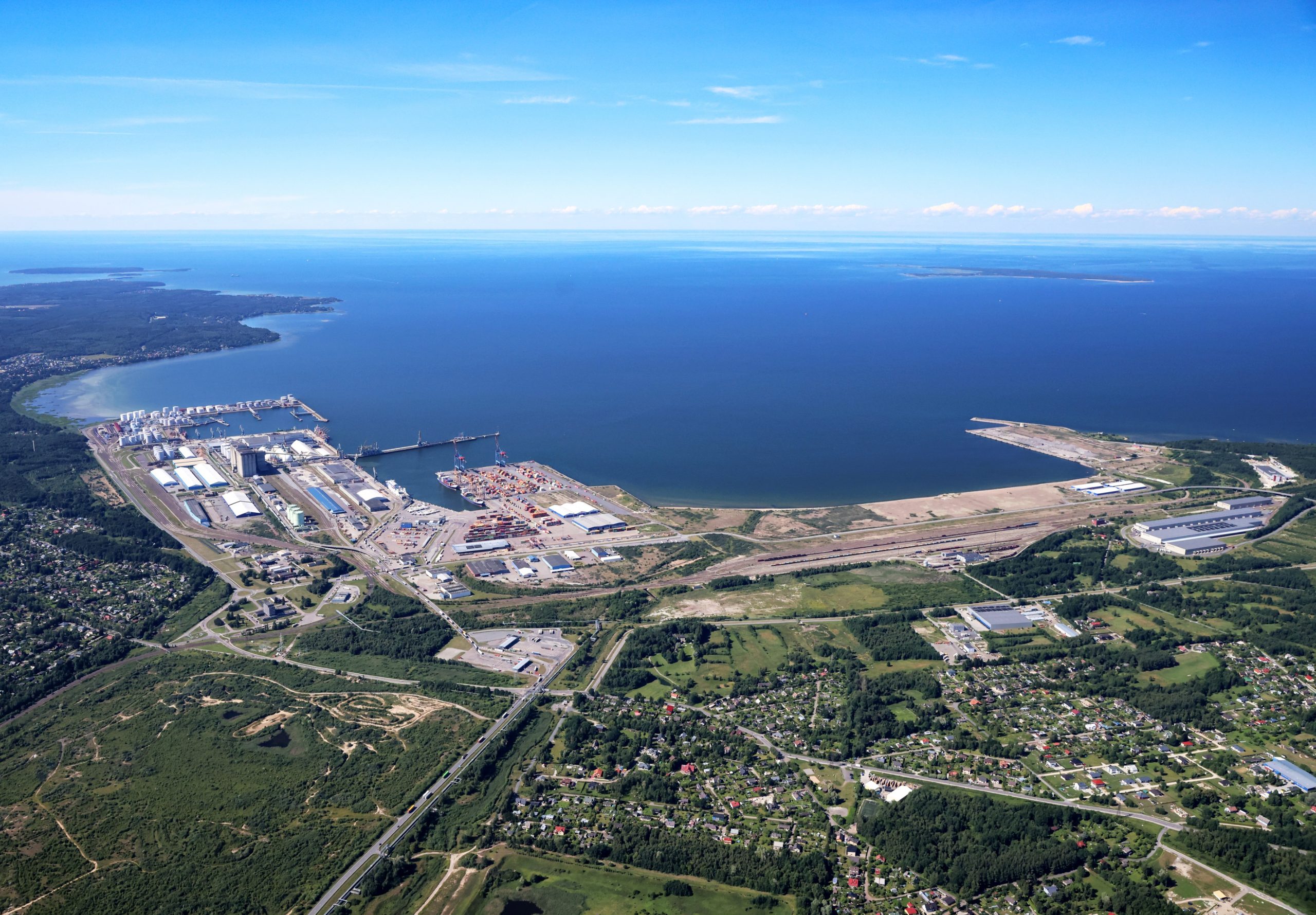
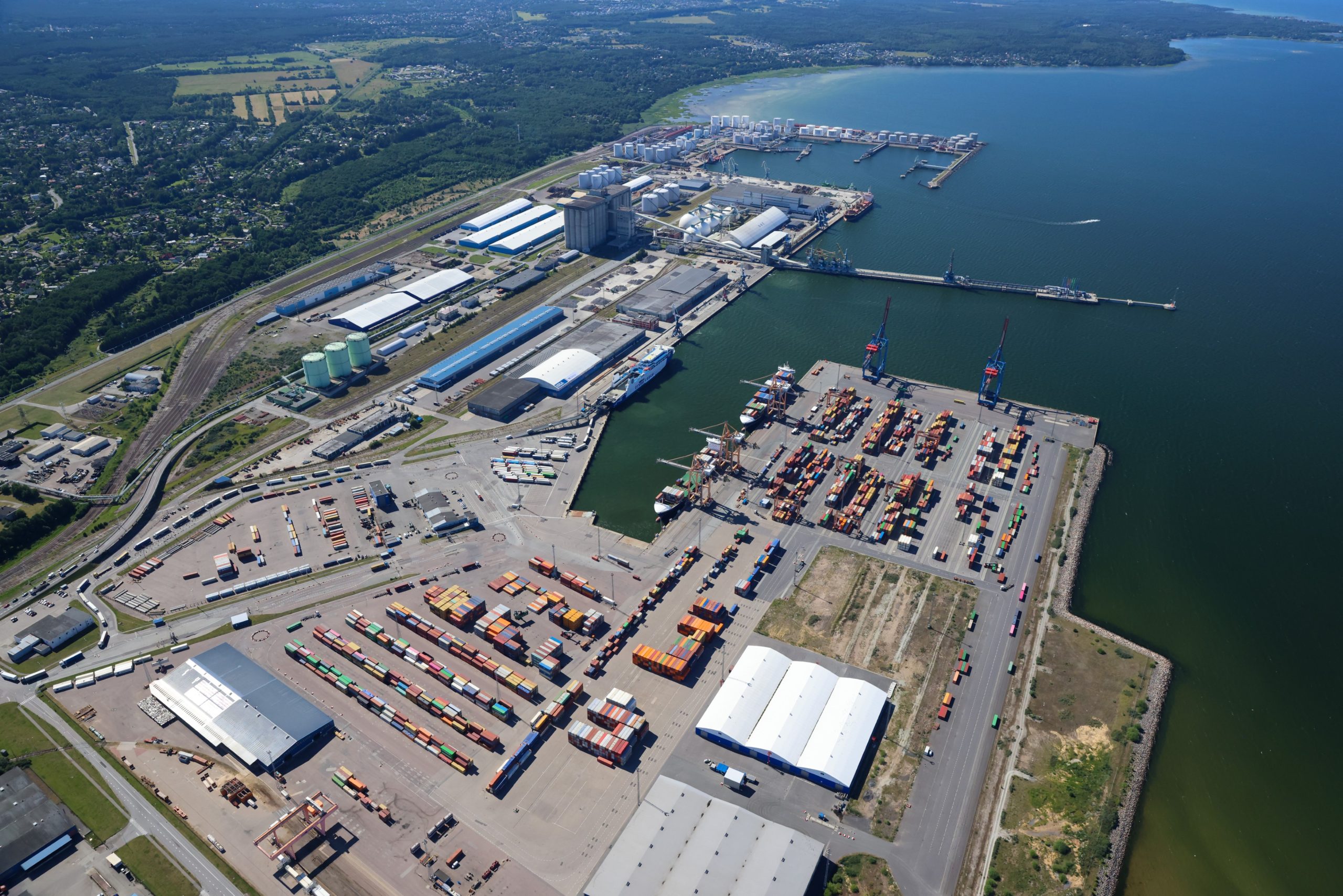
Muuga Harbour in Estonia offers an immediate and practical solution. Its deep-water quays can accommodate large vessels, while year-round operations provide reliability in all seasons. Direct sea, road and rail connections support efficient cargo movement across the region.
The future development of Rail Baltica, a new European-gauge railway linking Estonia and the other Baltic States to the wider European rail network, will further strengthen the North-South transport corridor and enhance Muuga’s logistics offering over the longer term.
Located at the crossroads of Baltic and Nordic markets, Muuga enables producers to serve multiple Northern European destinations through a single logistics hub, reducing complexity as supply chains become more diversified.
Crucially, Muuga’s capabilities are backed by experience. Fertilizers have historically been an important part of the port’s bulk cargo operations, providing valuable expertise in handling, storage, safety procedures, and associated logistics services. One example is PK Terminal, a terminal operator at Muuga Harbour, which already has a long-term cooperation agreement with Yara, a leading global fertilizer producer.
This means the knowledge and operational capability are already in place. Muuga does not need to develop fertilizer-handling expertise from scratch. It can build on decades of experience and existing infrastructure.
In addition, the port offers available industrial land and development plots for companies seeking to establish storage, logistics, or value-added operations close to cargo flows.
From regional port to strategic gateway
As European fertilizer supply chains continue to diversify, the need for reliable logistics gateways will only grow. Muuga Harbour combines deep-water access, established fertilizer-handling expertise, experienced terminal operators, multimodal connections and room for future development. Most importantly, the necessary infrastructure, know-how and operational capabilities are already in place. For fertilizer producers seeking efficient access to the Baltic and Nordic markets, Muuga is ready to support new trade flows today.