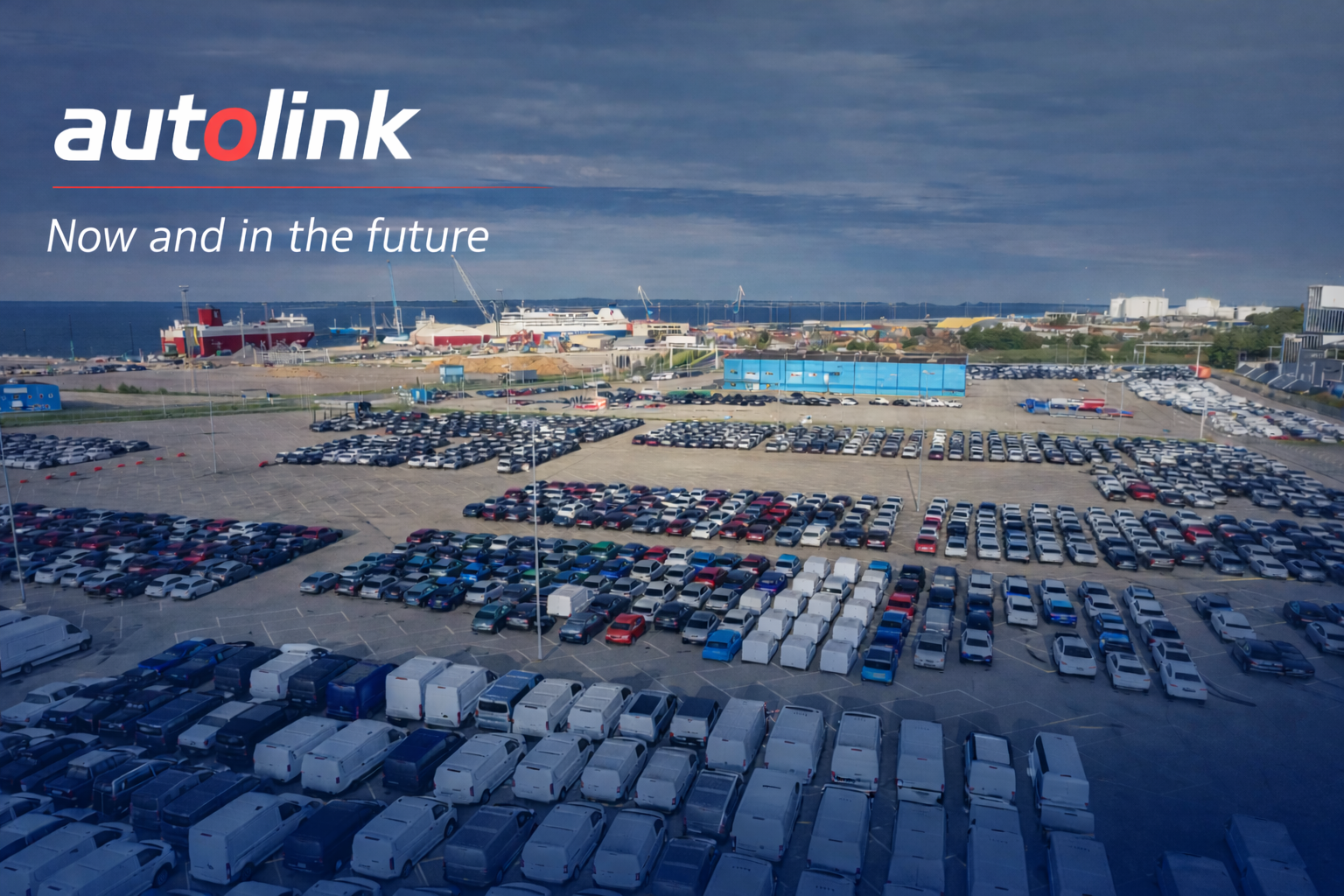
In automotive logistics, success depends on the connections that move vehicles efficiently between markets. For Autolink Group, those connections now span from the Baltic Sea to Central Asia, linking ports, railways, terminals and customers through a network built over nearly two decades.
Today, Autolink provides vehicle transportation, storage, pre-delivery inspection (PDI) and value-added services across multiple markets. The group operates in the Baltics, Finland, Western and Central Europe, and Central Asia. Autolink’s subsidiaries and offices are located in Estonia, Lithuania, Finland, Poland, Germany and Kazakhstan. The company’s operations are supported by more than 350 employees, an extensive road fleet and growing rail capabilities.
The company’s logistics expertise gradually evolved into investment and ownership. During the automotive boom of the mid-2000s, the team acquired specialized rail wagons for vehicle transportation. Despite economic downturns and the global financial crisis, Autolink continued expanding its services and capabilities.
Autolink CEO Kristjan-Jaak Reigo says: “Looking back, those experiences taught us resilience. We learned to adapt, invest carefully and focus on long-term opportunities.”
Growing beyond Estonia
Operations in Paldiski provided the foundation for growth. Over time, the company expanded beyond transportation to offer vehicle storage, PDI and sales preparation services, creating a broader service offering for manufacturers and importers.
In 2008, the company joined forces with Norway-based Autolink and became part of the Autolink Group. The partnership strengthened its market position integrating services into a network serving manufacturers, importers and distributors across several regions.
One of Autolink Group’s most significant milestones is the Rostock terminal, opened on 22 September 2022, which remains the newest and most modern terminal built specifically for passenger car logistics. By developing this terminal, Autolink brought a new cargo flow of more than 120,000 passenger cars per year to the Port of Rostock, which had never previously handled this type of cargo. The terminal’s opening created nearly 100 jobs and added 115 vessel calls per year.
“Simply delivering vehicles was not enough. Customers needed reliable local infrastructure, storage and distribution. That is why we decided to invest and build our own terminal,” Reigo explains.
The next major milestone is the Almaty car terminal in Kazakhstan, completed in 2024. It builds on the automotive logistics business established in Kazakhstan through Autolink’s subsidiary in 2012. As Central Asian automotive markets developed, Autolink saw the need to support vehicle handling and distribution closer to customers. In 2023, the company invested in a 12-hectare rail-connected terminal in Almaty. The first phase of the terminal has capacity for up to 4,000 vehicles, while the fully completed terminal will accommodate up to 7,000 vehicles, creating an important distribution hub for the region.
Investing in sustainable transport solutions
The year 2026 marks the largest investment in Autolink’s history: €22 million for the purchase of 100 LAAERS-type car transport wagons. The investment strengthens Autolink’s position in rail-based vehicle logistics and supports the company’s long-term growth across European markets. The investment also reflects a broader shift in the automotive industry towards lower-emission supply chains
“Rail transport offers significant advantages from a sustainability perspective. As carbon footprint calculations become increasingly important for manufacturers, rail will play a larger role in automotive logistics,” Reigo notes.
Autolink’s rail strategy is closely linked to its operations in Germany, including automotive logistics terminal in Rostock. Together, these assets strengthen rail-maritime connections and support more efficient logistics solutions. Looking ahead, Rail Baltica could create new opportunities to connect Baltic vehicle flows with the wider European rail network.
Growth through expertise
Despite its international footprint, Autolink remains focused on a specialized customer base of vehicle manufacturers, importers and distributors. Rather than competing for retail customers, the company focuses on long-term partnerships, industry expertise and tailored logistics solutions.
Autolink is also a member of ECG, the Association of European Vehicle Logistics, reflecting its commitment to industry standards and collaboration across the finished vehicle logistics sector.
For Reigo, however, infrastructure is only part of the story. “You can invest in terminals, vehicles and wagons, but none of it works without the right people. Our growth has always been driven by our team.” Having helped build many of the group’s businesses from the beginning, he remains closely involved in operations while supporting local management teams across the organisation.
Why Paldiski matters
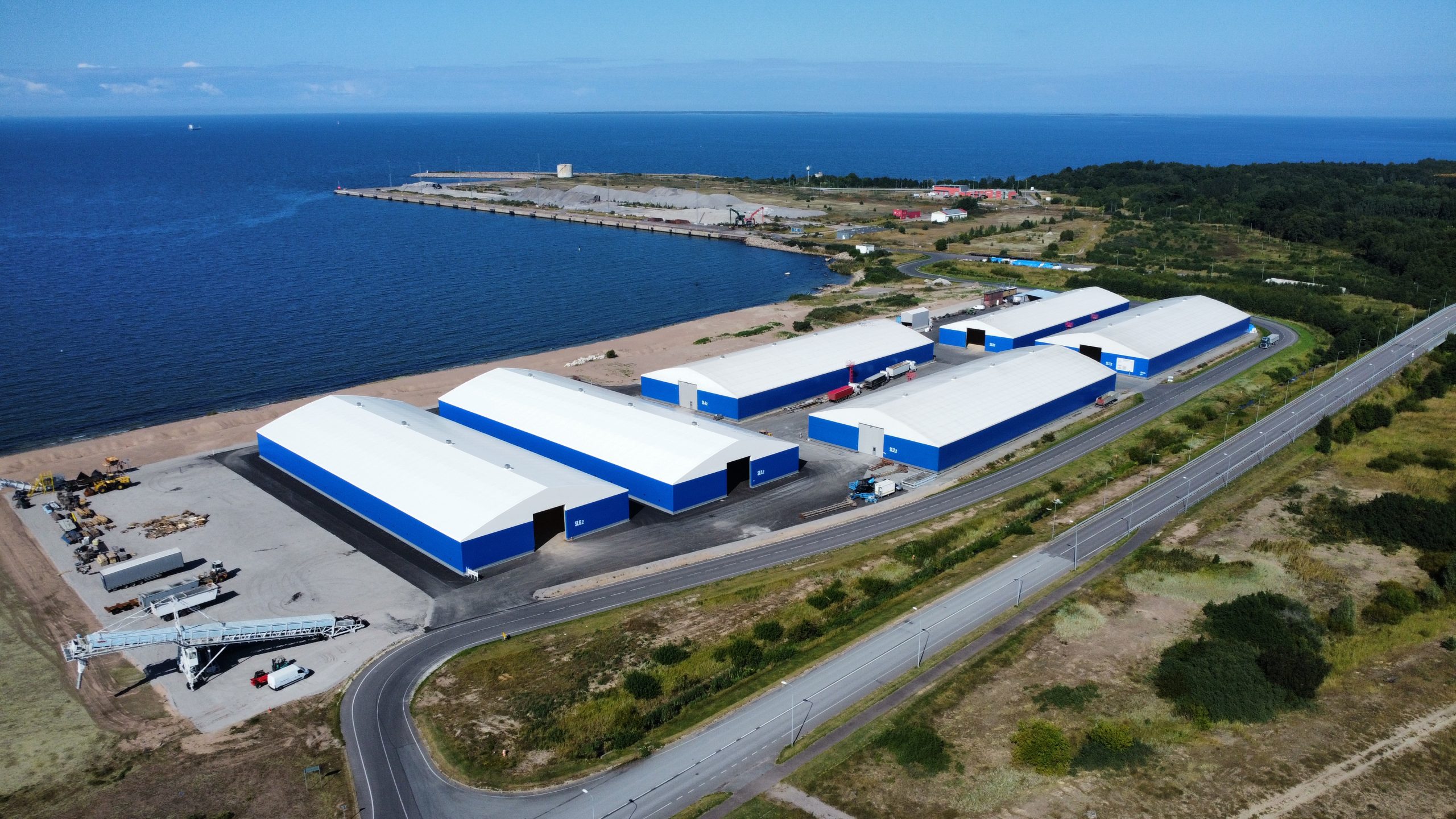
For automotive logistics in the region, Paldiski South Harbour combines specialized infrastructure, efficient vehicle handling and strong maritime connections. Vehicles arriving by sea can be processed quickly and distributed across the Baltics and neighboring markets.
“Paldiski has a strategic location for the entire Baltic automotive market. The specialized infrastructure and proximity to shipping routes create efficiencies that are difficult to replicate elsewhere in the region,” says Reigo.
As vehicle flows continue to evolve, Paldiski remains an important gateway for international manufacturers. For Autolink, close cooperation with the port and logistics partners helps connect sea, road and rail transport into a seamless supply chain.
From its early rail logistics operations to today’s international network, Autolink has grown through long-term partnerships, strategic investment and a commitment to building efficient connections across markets and transport modes.